

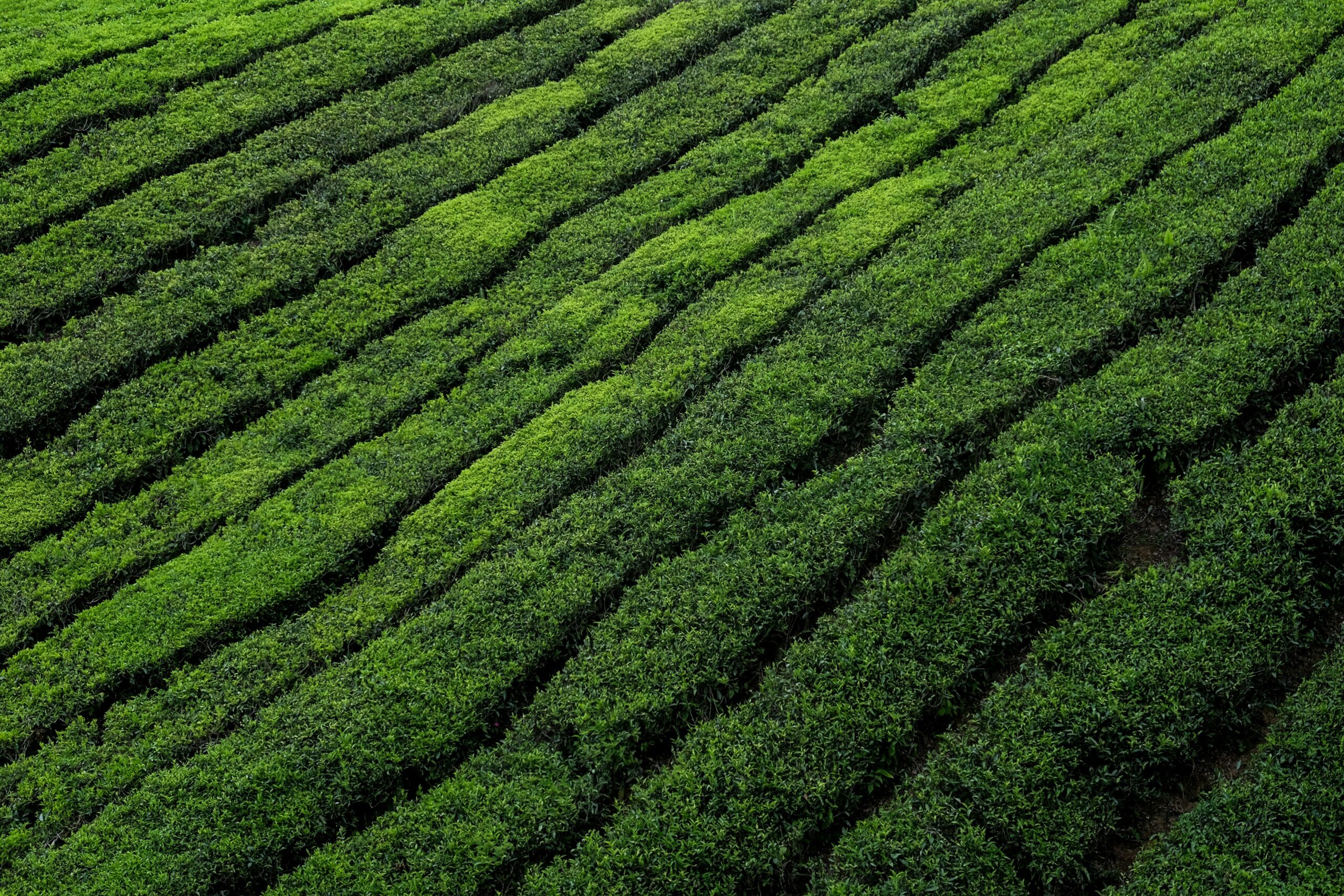
Indonesia has earned a respected position among the world’s leading tea-producing countries. With its fertile volcanic soil, favorable climate, and centuries of tea cultivation experience, the country produces a diverse range of tea varieties that are appreciated by buyers and consumers across international markets.
From lush highland plantations to carefully managed tea estates, Indonesian tea is known for its distinctive character, balanced flavor profiles, and consistent quality. As global demand for premium and authentic tea products continues to grow, Indonesia remains an important source for importers, distributors, retailers, and beverage manufacturers worldwide.
Tea cultivation in Indonesia dates back to the colonial era and has since become an integral part of the country’s agricultural sector. Today, tea is primarily grown in high-altitude regions where cool temperatures, abundant rainfall, and fertile soils create ideal growing conditions.
These natural advantages contribute to the development of tea leaves with unique flavor characteristics and excellent quality standards that appeal to global markets.
Indonesia’s tea industry combines traditional cultivation knowledge with modern production practices, allowing producers to meet the evolving requirements of international buyers.
Black tea remains one of Indonesia’s most important tea exports. Known for its rich color, smooth taste, and balanced aroma, Indonesian black tea is widely used in both consumer and commercial applications.
Popular uses include:
Its versatility and consistency make it a preferred choice for many international buyers seeking reliable supply and quality.
As consumers increasingly seek natural and minimally processed products, green tea has experienced strong growth in international markets. Indonesian green tea offers a fresh, clean taste profile and is becoming an attractive option for buyers looking to diversify their tea portfolios.
Green tea is commonly used in:
The expanding popularity of green tea presents valuable opportunities for Indonesian producers and exporters.
In addition to traditional black and green teas, Indonesia also produces specialty tea varieties that cater to niche and premium market segments.
These products may include:
Consumers increasingly appreciate products with unique origins, distinctive flavor profiles, and authentic production stories, making specialty teas an important growth segment.
Several factors contribute to the distinctive characteristics of Indonesian tea.
Indonesia’s volcanic soil and tropical climate provide nutrients and environmental conditions that support healthy tea cultivation.
Many tea plantations are located in elevated regions where cooler temperatures help develop complex flavors and aromas.
Generations of tea-growing experience have contributed to cultivation and processing techniques that maintain quality and consistency.
Indonesia produces a variety of tea types suitable for different consumer preferences and market requirements.
These advantages help differentiate Indonesian tea in an increasingly competitive global marketplace.
Global buyers expect consistent quality, reliable supply, and professional export capabilities. Indonesian tea producers and exporters continue to invest in quality assurance measures that support international trade requirements.
Quality-focused practices may include:
These efforts help ensure that tea products meet the expectations of importers and consumers worldwide.
Sustainability is becoming an increasingly important consideration within the tea industry. International buyers often seek suppliers that prioritize responsible sourcing and long-term environmental stewardship.
Many Indonesian tea producers are strengthening their commitment to:
These initiatives not only support environmental goals but also contribute to product quality and long-term supply reliability.
Worldwide interest in premium beverages, specialty products, and natural ingredients continues to drive demand for high-quality tea. Importers and distributors are increasingly looking for reliable suppliers capable of delivering consistent products with strong market appeal.
Indonesia is well-positioned to support this demand through:
As consumer preferences evolve, Indonesian tea remains a valuable option for businesses seeking quality and authenticity.
For international buyers, sourcing tea from Indonesia offers several advantages:
These strengths have helped Indonesia maintain its reputation as a trusted tea-producing nation.
Indonesia’s tea industry continues to thrive by combining rich agricultural heritage with modern production standards. From high-quality black tea and refreshing green tea to specialty and premium selections, Indonesian tea offers a wide range of opportunities for global buyers.
As international demand for authentic, sustainably sourced, and premium-quality tea continues to grow, Indonesia remains a reliable partner for businesses seeking exceptional products and long-term sourcing relationships. Through quality, consistency, and innovation, Indonesian tea is well-positioned to continue making its mark in global markets for years to come.
