

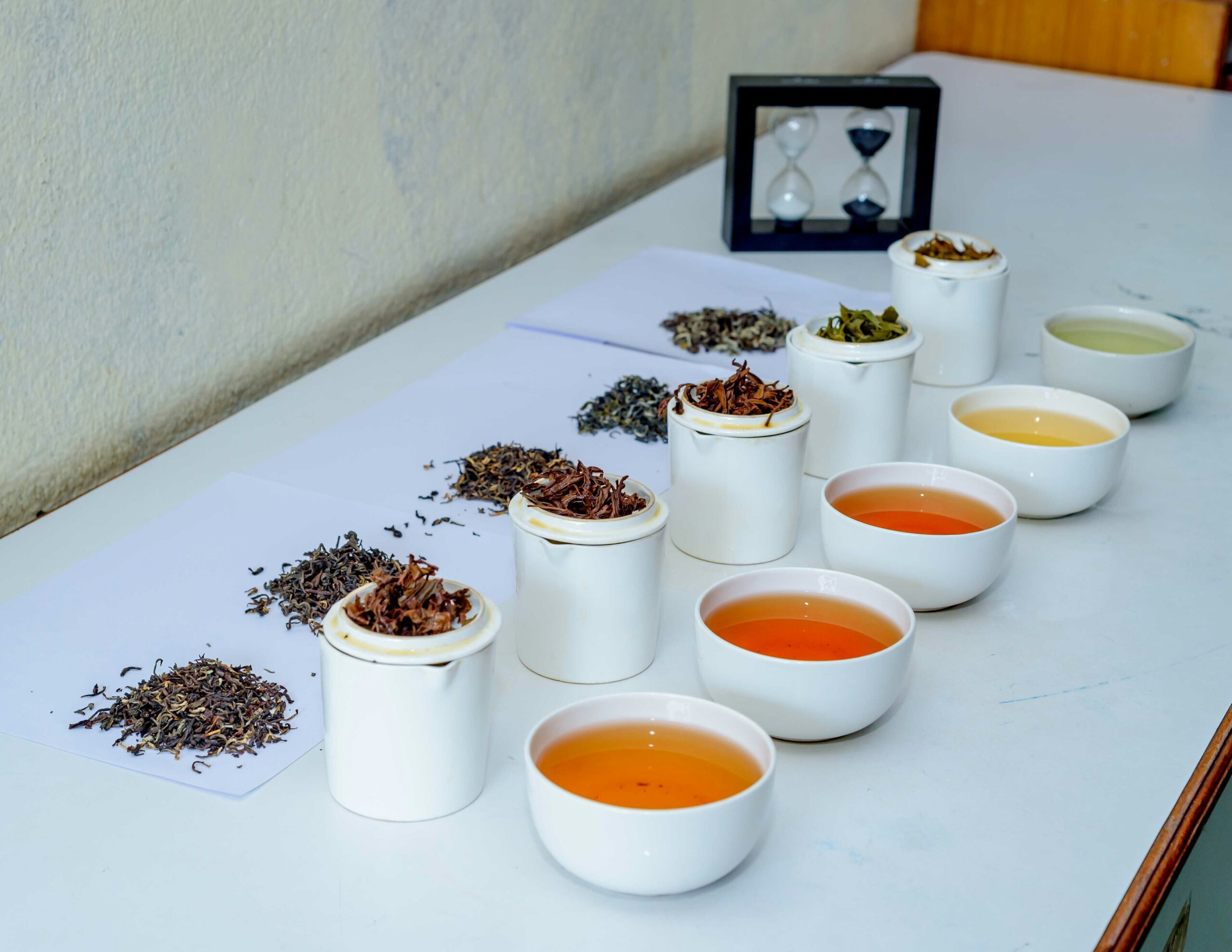
The global food and beverage industry is experiencing a significant shift toward natural, authentic, and sustainably sourced ingredients. As consumers become more conscious about quality, health, and product origins, natural tea and spices have gained increasing attention across international markets. This growing demand presents new opportunities for producers, exporters, and buyers seeking high-quality agricultural products from trusted sources.
Indonesia, known for its rich biodiversity and agricultural heritage, is well-positioned to meet this demand through its diverse range of premium tea and spice products. Understanding the key trends shaping the future of the industry can help businesses stay competitive in a rapidly evolving global marketplace.
Consumers around the world are becoming more selective about the products they consume. There is a clear movement away from artificial additives and heavily processed ingredients in favor of natural alternatives.
Tea and spices are increasingly valued because they offer:
This shift has encouraged food manufacturers, beverage companies, and retailers to incorporate more natural ingredients into their product offerings.
Tea remains one of the most widely consumed beverages worldwide, and demand for premium tea varieties continues to grow. Consumers are showing greater interest in specialty teas that offer unique flavors, origins, and production methods.
Several factors are driving this trend:
Countries with strong tea-producing traditions, including Indonesia, have the opportunity to supply international markets seeking distinctive and high-quality tea products.
Spices are no longer limited to traditional cooking applications. Today, they are widely used across multiple industries, including:
Ingredients such as cinnamon, ginger, cloves, nutmeg, and pepper are increasingly incorporated into innovative products that appeal to modern consumers seeking natural ingredients and authentic flavors.
Sustainability has become a major purchasing consideration for both consumers and businesses. Buyers are increasingly interested in understanding where products come from and how they are produced.
As a result, suppliers that emphasize:
are gaining greater recognition in international markets.
Traceability and sustainability are no longer optional advantages; they are becoming important factors in purchasing decisions across many regions.
While traditional import markets continue to play a significant role, emerging economies are contributing to increased demand for tea and spices.
Factors supporting this growth include:
These developments are creating new opportunities for exporters to diversify their customer base and enter previously untapped markets.
Indonesia has long been recognized as one of the world’s leading producers of tea and spices. The country’s favorable climate, fertile soil, and agricultural expertise enable the production of products that are highly valued by international buyers.
Some of Indonesia’s most sought-after export products include:
As global demand continues to rise, Indonesian producers and exporters have an important role to play in supplying quality products to buyers around the world.
Advancements in technology are also transforming the tea and spice trade. Digital platforms, improved logistics, and enhanced communication tools make it easier for international buyers and suppliers to connect directly.
These developments allow businesses to:
Technology is helping create a more connected and transparent global marketplace, benefiting both exporters and importers.
The future of the tea and spice industry looks promising. Continued consumer interest in natural ingredients, sustainable sourcing, and premium-quality products is expected to drive long-term market growth.
Businesses that focus on:
will be well-positioned to capitalize on emerging opportunities and strengthen their presence in international markets.
The global demand for natural tea and spices continues to grow as consumers and businesses seek authentic, high-quality, and responsibly sourced ingredients. Trends such as premiumization, sustainability, traceability, and expanding market applications are shaping the future of the industry.
For Indonesia, these developments represent a valuable opportunity to showcase the country’s agricultural excellence and strengthen its position as a trusted supplier of premium tea and spices. By maintaining quality, embracing sustainable practices, and building strong international partnerships, the industry can continue to thrive in the years ahead.
